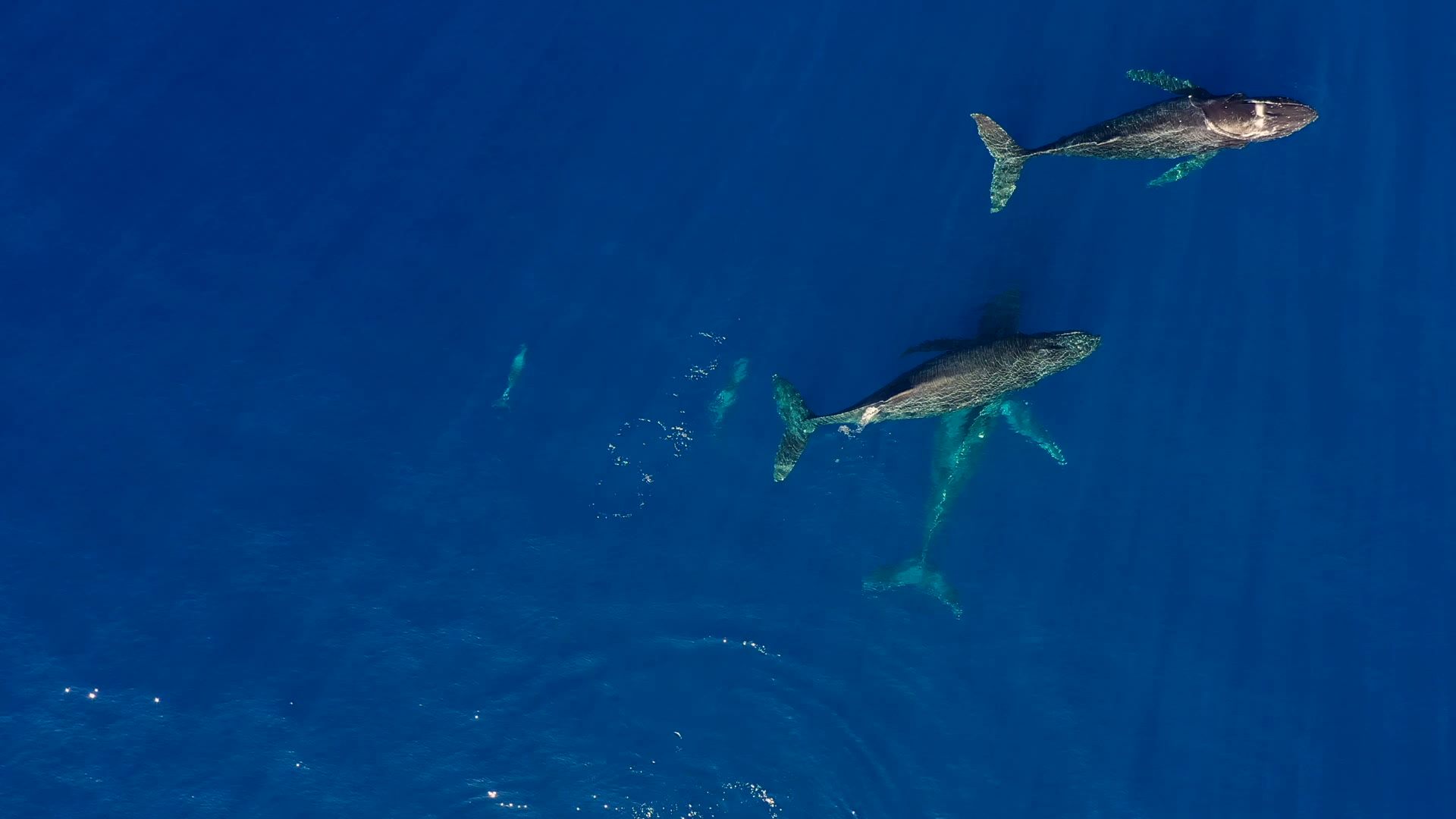
![Use case field photograph [placeholder]](assets/img/reef-hero.jpg)
[Body content placeholder — introduction to this use case. Copy not written yet.] Lorem ipsum dolor sit amet, consectetur adipiscing elit. Proin elementum erat at nibh faucibus, id bibendum nunc imperdiet. Curabitur vel magna sodales, porta ex et, feugiat ligula.
Why reef observations matter
[Body content placeholder — methodology and approach. Copy not written yet.] Vestibulum lacinia, ante id tristique varius, dolor felis hendrerit lorem, vel ultrices dolor metus a risus. Pellentesque pretium tincidunt felis eget laoreet. Duis pellentesque tempor lectus, sed tincidunt purus lacinia a.
[Body content placeholder — results and impact. Copy not written yet.] Mauris eleifend pretium nunc, id pretium quam laoreet varius. Donec facilisis mi diam, ac tempus ex rhoncus facilisis. Etiam feugiat, ante at cursus pretium, dolor lorem volutpat tellus, id viverra sem turpis a diam.
The diversity of coastal and biological observing activities is one of the current big challenges, both to integrate new data flows and to expand capacity globally to meet real and urgent needs. This is one of the key areas that needs additional coordination capacity, new and low-technologies, however it also offers opportunities to develop a truly integrated global observing system.
In the face of climate change, the global community must work together to improve the coverage, quality, and multidisciplinary nature of the observing system to meet vital forecasting services and societal needs. OceanOPS can help make these connections.
[Body content placeholder — future outlook. Copy not written yet.] Integer aliquet felis id nisl accumsan, ac sodales sem gravida. Nunc vitae sem vel ligula iaculis iaculis feugiat vitae velit. Sed et urna ut sem eleifend lacinia.
In the face of climate change, the global community must work together to improve the coverage, quality, and multidisciplinary nature of the observing system to meet vital forecasting services and societal needs. OceanOPS can help make these connections


| Variable | Network | Platforms | Status |
|---|---|---|---|
| Sea surface temperature | Argo | 4,021 | Operational |
| Ocean colour | Satellite | 12 | Operational |
| Oxygen | BGC-Argo | 561 | Expanding |
| Zooplankton | CPR Survey | 38 | Pilot |